

 Magggic
garden design ai
Generate outdoor layout ideas for yards, patios, courtyards, and planted garden spaces.
Garden design AI helps turn outdoor ideas into visual landscape concepts for a real home garden, yard, patio, or courtyard. It works like an AI garden design assistant when users need visual direction for planting beds, paths, seating, lighting, and privacy before committing to real-world changes.
Users searching garden design ai usually want practical garden or yard ideas that match a real outdoor space. The page also covers ai garden design, backyard design ai, yard design ai, garden planner ai, and ai landscape design free intent while keeping the focus on home-scale outdoor design concepts.
Prompt examples
Use these examples as starting points, then edit the prompt in the generator above.
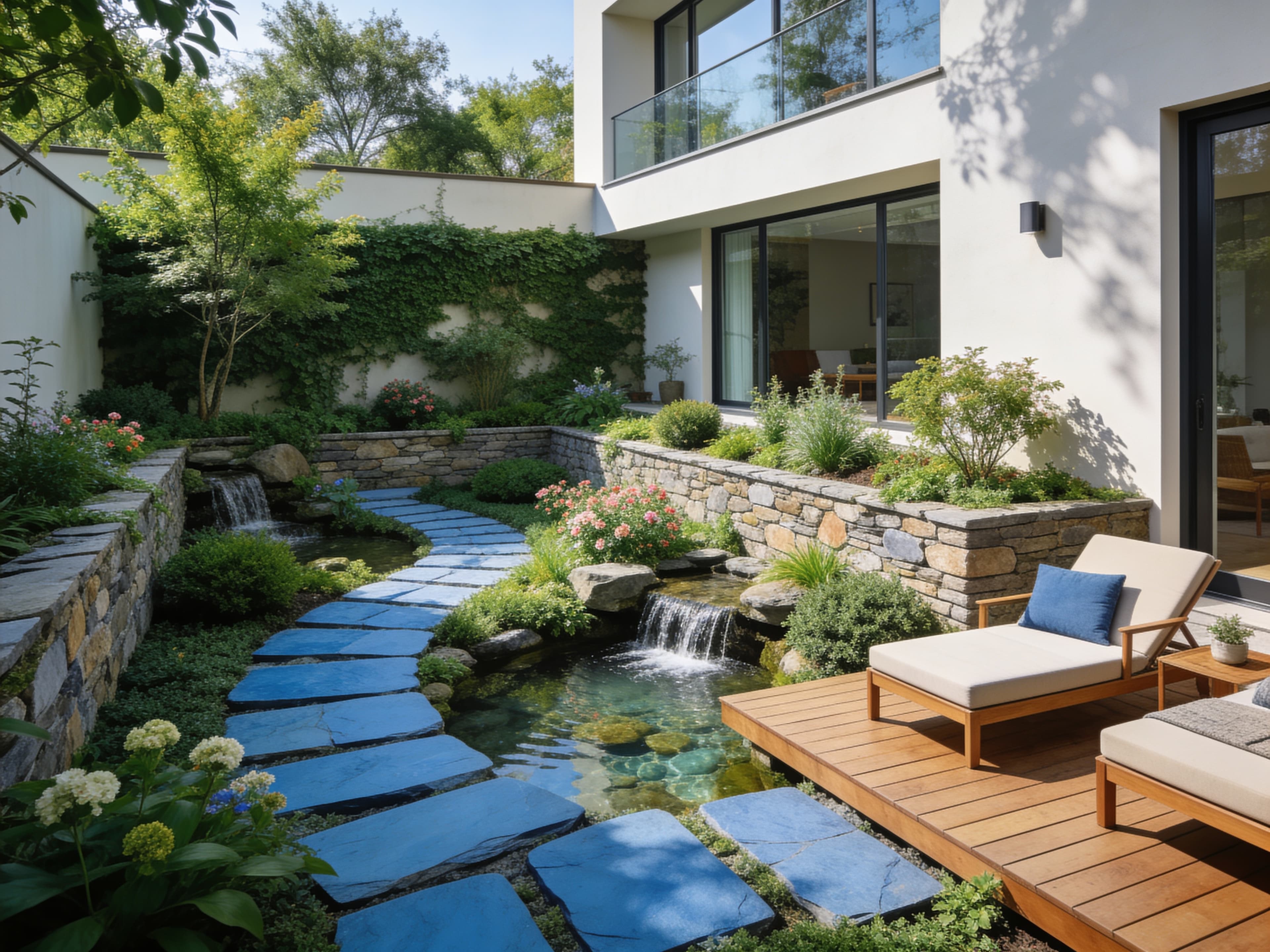
Renovate real yard photo, private natural style inner courtyard layout design, multi-level green plant landscaping, ornamental shrubs and flowering plants, bluestone stepping stone path, running water landscape, wooden deck lounge area, low landscape wall, abundant greenery, spacious transparent, original ecological atmosphere, complete outdoor landscape rendering, natural light and shadow
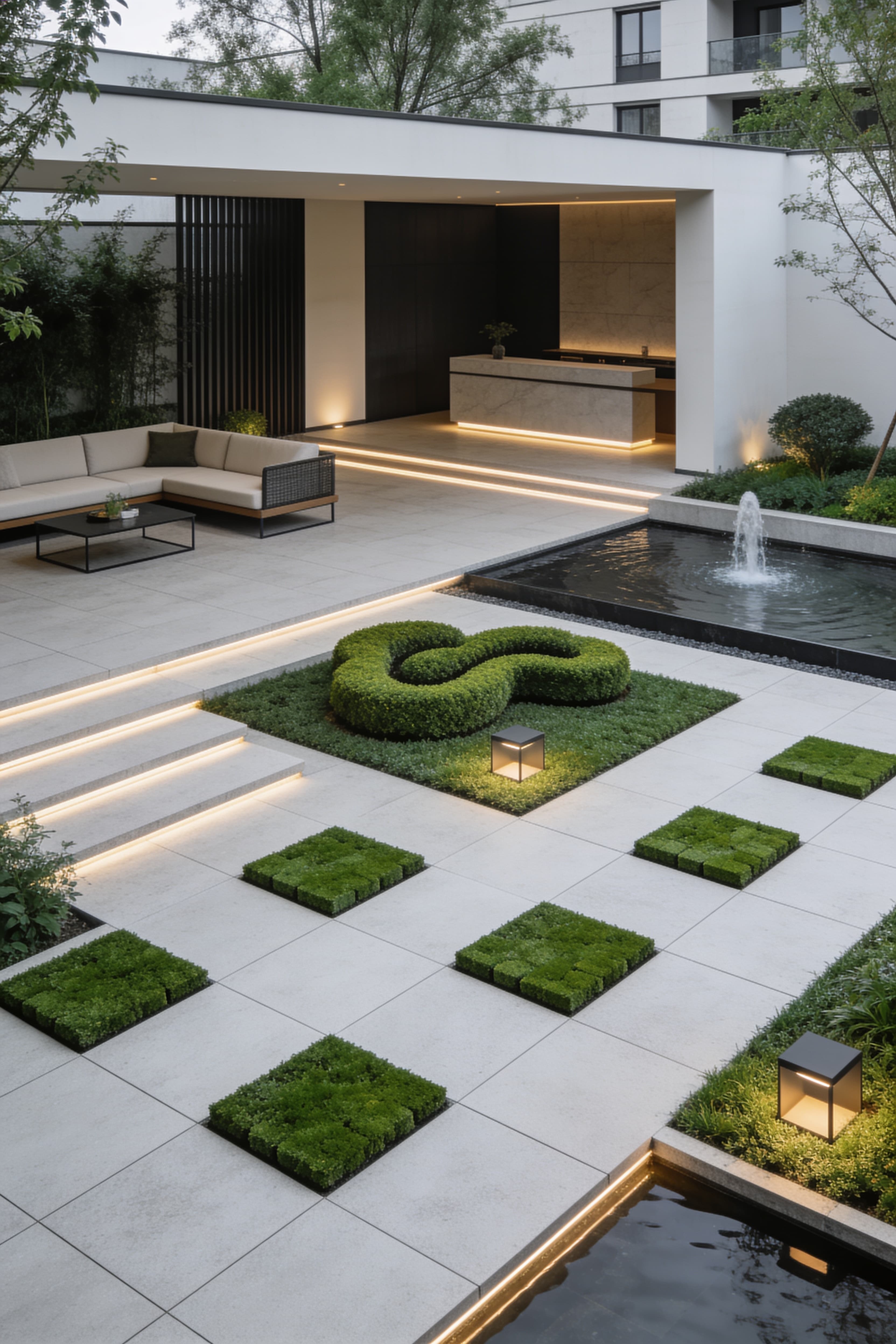
Optimize layout of real courtyard photo, modern minimalist outdoor garden, hard pavement matched with block green planting areas, outdoor sofa lounge area, minimalist water feature, shaped ornamental green plants, hidden lighting system, neat clean lines, integrate reception, gardening and rest functions, premium low-saturation color scheme, professional landscape design render, reasonable space moving line
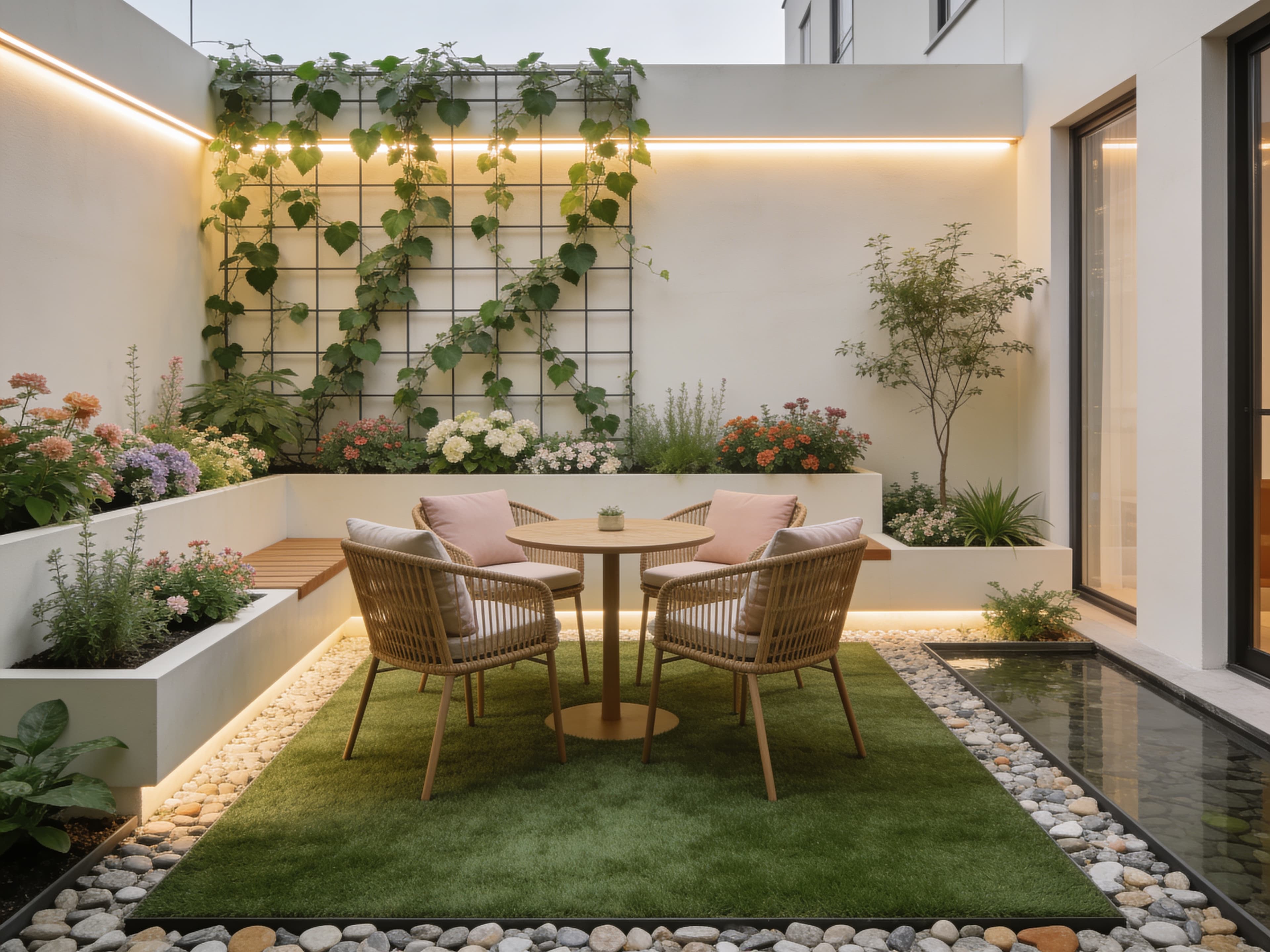
Renovate real site photo, layout design for small terrace courtyard, relaxing healing style garden, layered flower planters, rattan leisure table and chairs, artificial lawn flooring, climbing vine trellis, soft outdoor strip lights, minimalist landscaping, dry and wet partition, transparent lighting, neat clean, soft natural color palette, high-definition landscape render, complete details
Yes. Use a yard or patio reference image when you want the garden design AI result to follow a real outdoor space.
You can prompt for modern, Mediterranean, cottage, tropical, minimalist, or luxury landscaping styles.
Yes. Describe the backyard size, seating needs, paths, privacy, planting beds, and lighting so the output feels practical.
It overlaps, but this page focuses on home gardens, yards, patios, and planted outdoor spaces rather than broad site planning.
Include the space type, constraints, plant density, path material, seating zone, privacy needs, lighting, and target style.